On this page (7 sections)
Neighbour noise is one of the most common complaints in Singapore's high-density housing. If you are researching residential soundproofing Singapore solutions, the first step is identifying whether the noise travels through walls, floors, ceilings, or gaps, because each path needs a different fix.
Foam panels and thicker curtains help with echo inside a room, but they rarely stop sound from an adjacent unit. Real residential soundproofing targets the paths where noise actually enters.
Where noise enters most homes
In HDB and condo units, the main transmission paths are shared partition walls (especially bedroom walls facing neighbours), floor impact noise from upstairs units, corridor and door gaps, and plumbing or service risers running through walls. Traffic noise enters through windows and external walls.
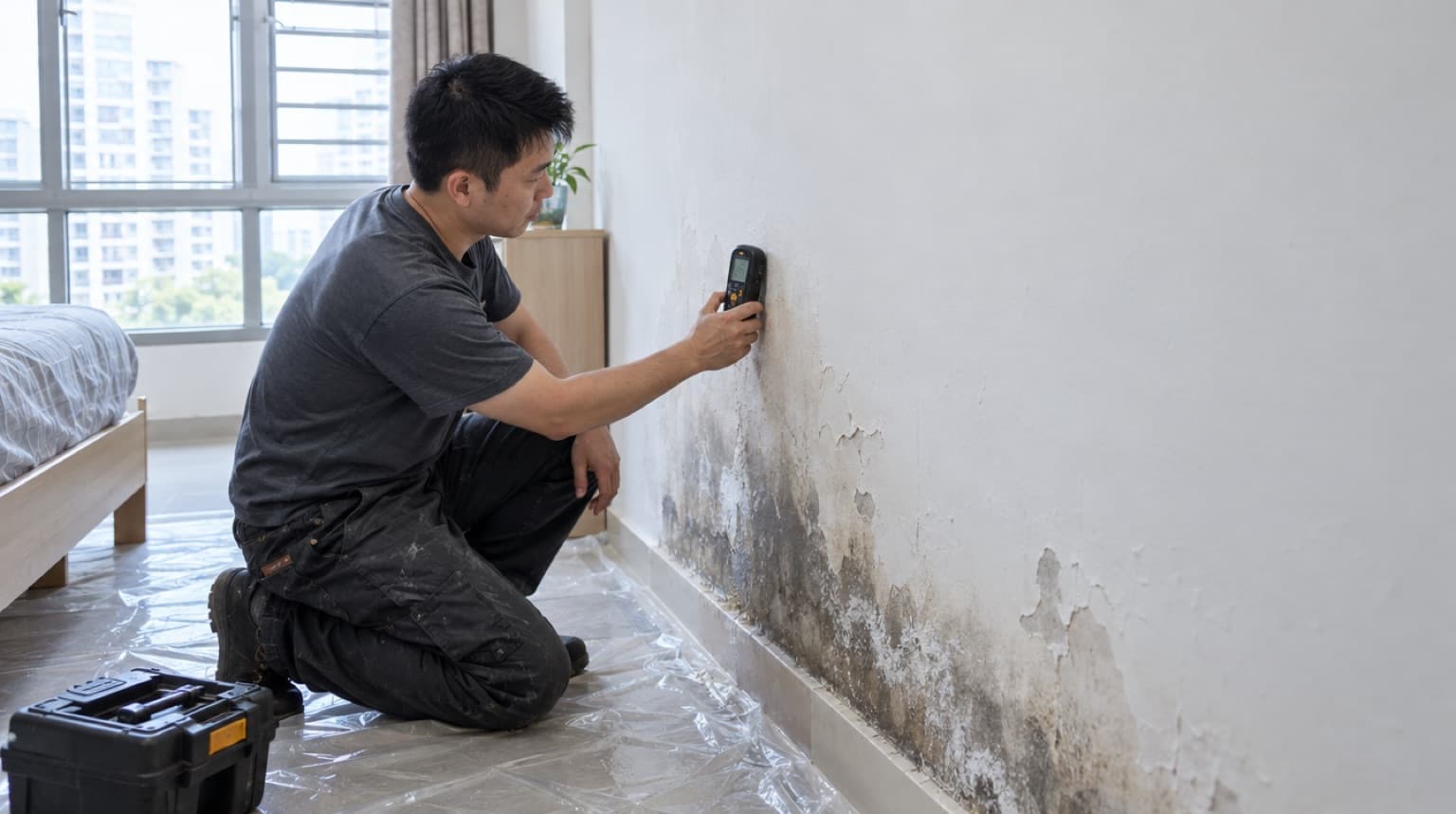
Identifying the dominant source before spending money prevents installing the wrong solution.
Soundproofing walls between units
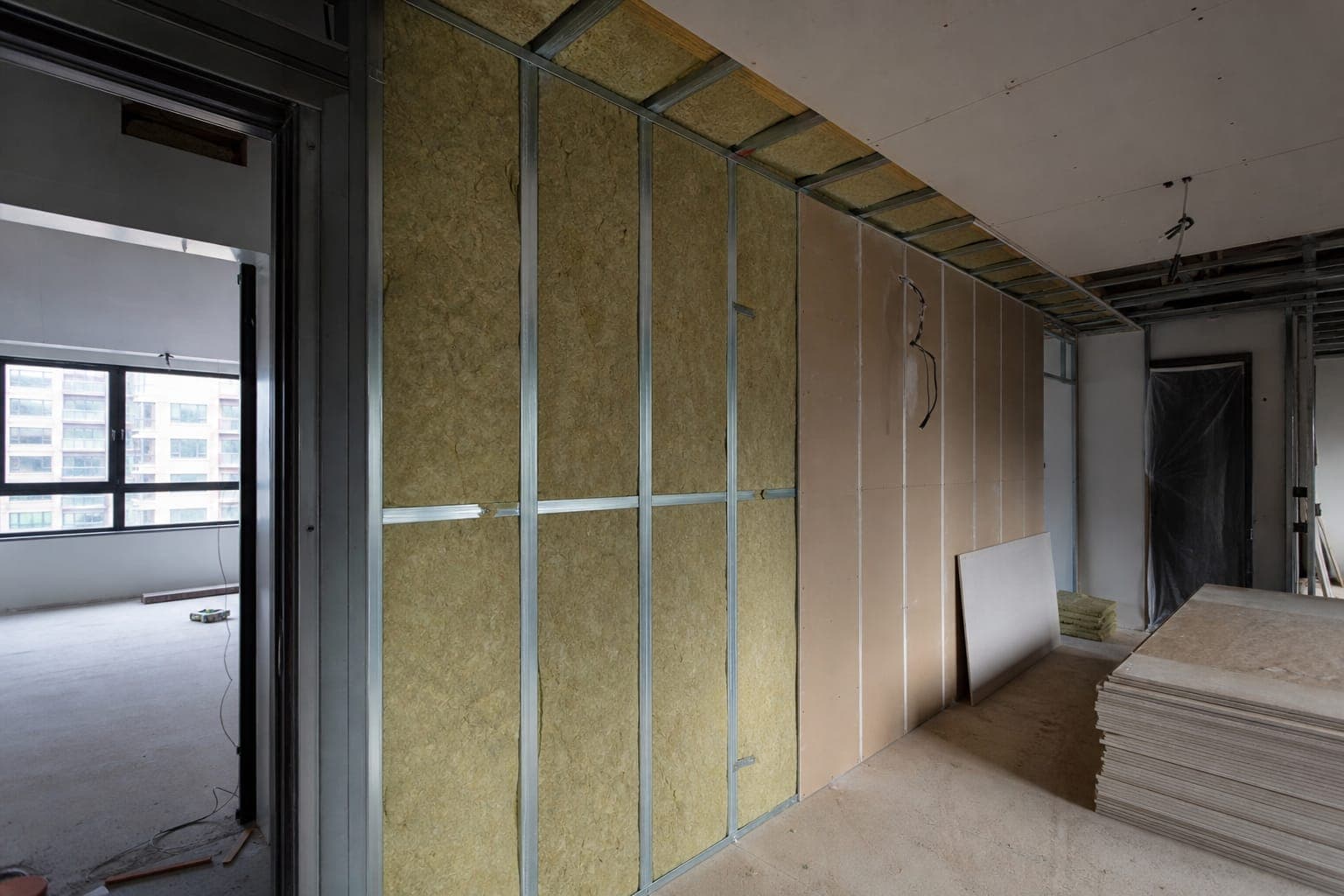
Effective wall upgrades add mass (extra dense board layers), insulation in the cavity where accessible, and resilient mounting to decouple surfaces. Simply adding another layer of plasterboard without decoupling helps modestly but may not solve loud TV or conversation noise.
For serious wall performance, plan upgrades during renovation when walls are open. Retrofitting finished rooms costs more and achieves less.
Floors and impact noise from upstairs
Impact noise (footsteps, chair dragging, dropped objects) travels through floor structures. Acoustic underlay beneath flooring reduces transmission to the unit below (if you are the source) and can be combined with ceiling treatments below (if you are the receiver).
HDB rules may restrict certain floor finishes or require minimum impact ratings. Check guidelines before choosing materials.
Adex provides residential soundproofing alongside false ceiling installation, flooring installation, and partial renovation for targeted upgrades.
Doors, windows, and weak points
Doors are often the weakest link: hollow-core doors and poor seals let corridor and living room noise into bedrooms. Upgrading to solid-core doors with proper perimeter seals makes a noticeable difference at relatively lower cost than full wall reconstruction.
Windows facing roads may need laminated glass or secondary glazing for traffic noise, a different problem from neighbour wall noise.
What does not work well
Adhesive foam panels, thin acoustic curtains, and single-layer drywall additions without sealing gaps typically fail to stop neighbour noise. White noise machines mask sound but do not block it. Filing complaints alone does not fix structural transmission paths.
Invest in construction-based solutions matched to the noise type.
Realistic expectations and cost
Moderate improvement on one bedroom wall costs less than whole-unit treatment. High-performance isolation (especially for home studios or shift workers needing deep quiet) requires more extensive construction and budget.
Be honest about your goal: reducing TV noise at night is a different specification from blocking bass from a neighbour's sound system.
Bottom line
Residential soundproofing in Singapore works when you treat the actual transmission path (walls, floors, doors, or windows), not just echo inside the room. Identify the noise source, upgrade weak points like doors, and plan wall or ceiling construction during renovation where possible. That delivers quieter bedrooms without wasting money on cosmetic fixes.
Need a contractor?
Get advice for your project
Send us your property type, photos, and preferred timeline. We'll recommend the next step and prepare a clear quotation.