On this page (9 sections)
Water leakage repair cost in Singapore depends on four things: where the water is coming from, how much has to be opened to reach it, how the repair is tested, and how much finish has to be put back afterwards. A loose pipe joint behind an access panel and a failed membrane under a whole bathroom floor can cause the same ceiling stain, yet they are completely different jobs. That is why an honest contractor will not quote a fixed price before finding the source.
This guide explains what changes the price and how to compare quotes. If you already know you need someone to find and fix the leak, our water leakage repair service page covers leak types, detection methods and timelines in detail, and the site visit and quotation are free.
Why leak repair has no fixed price
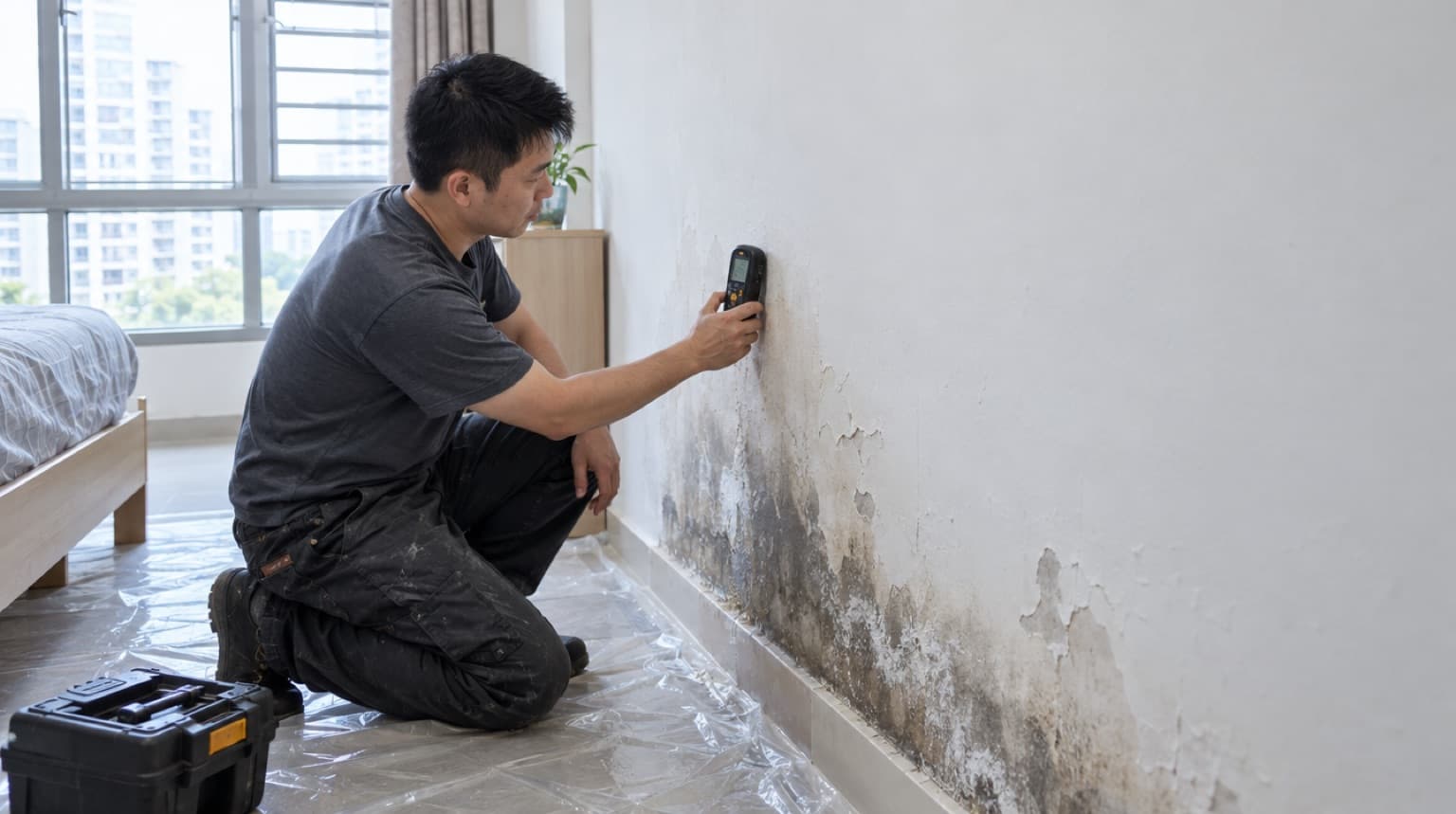
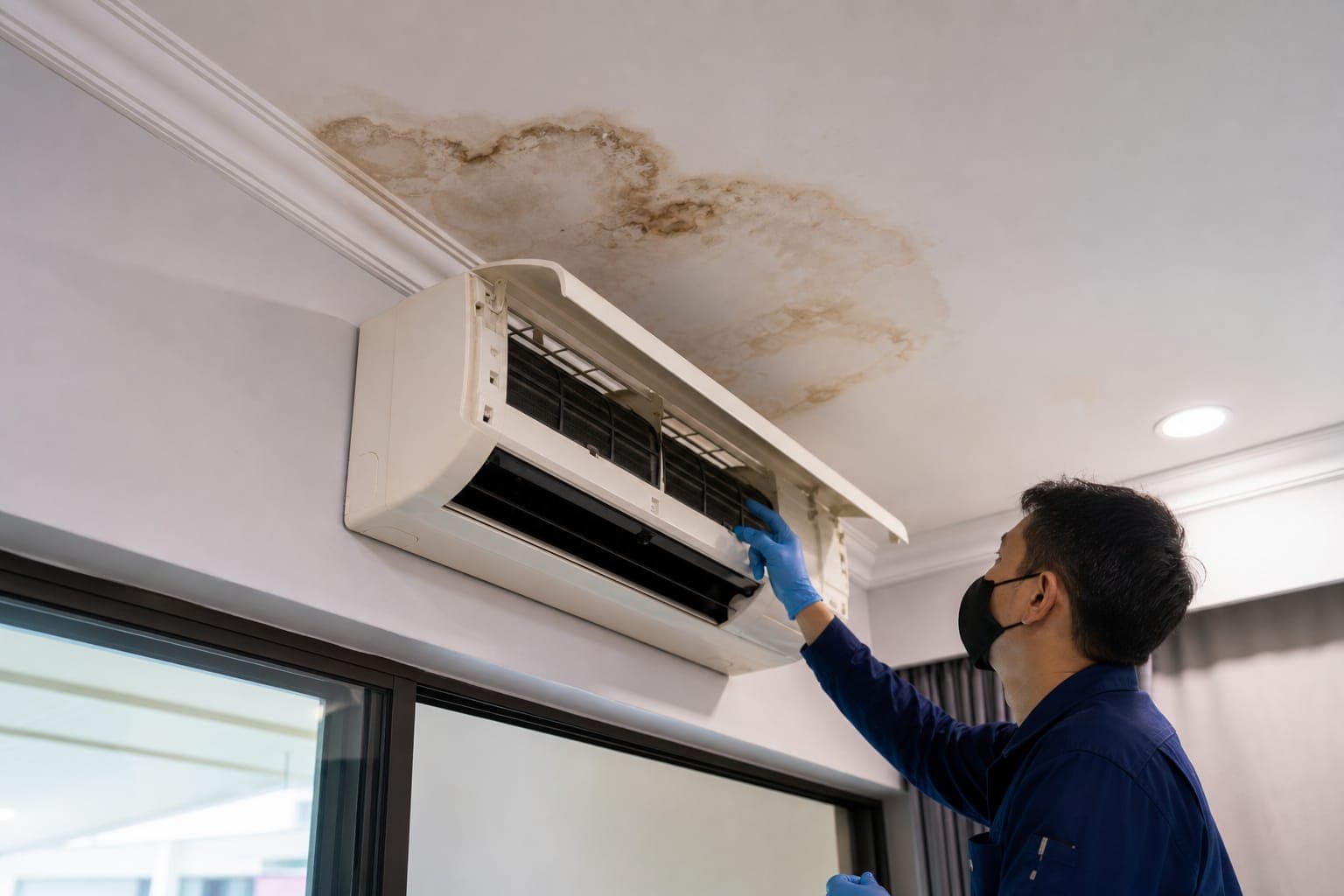
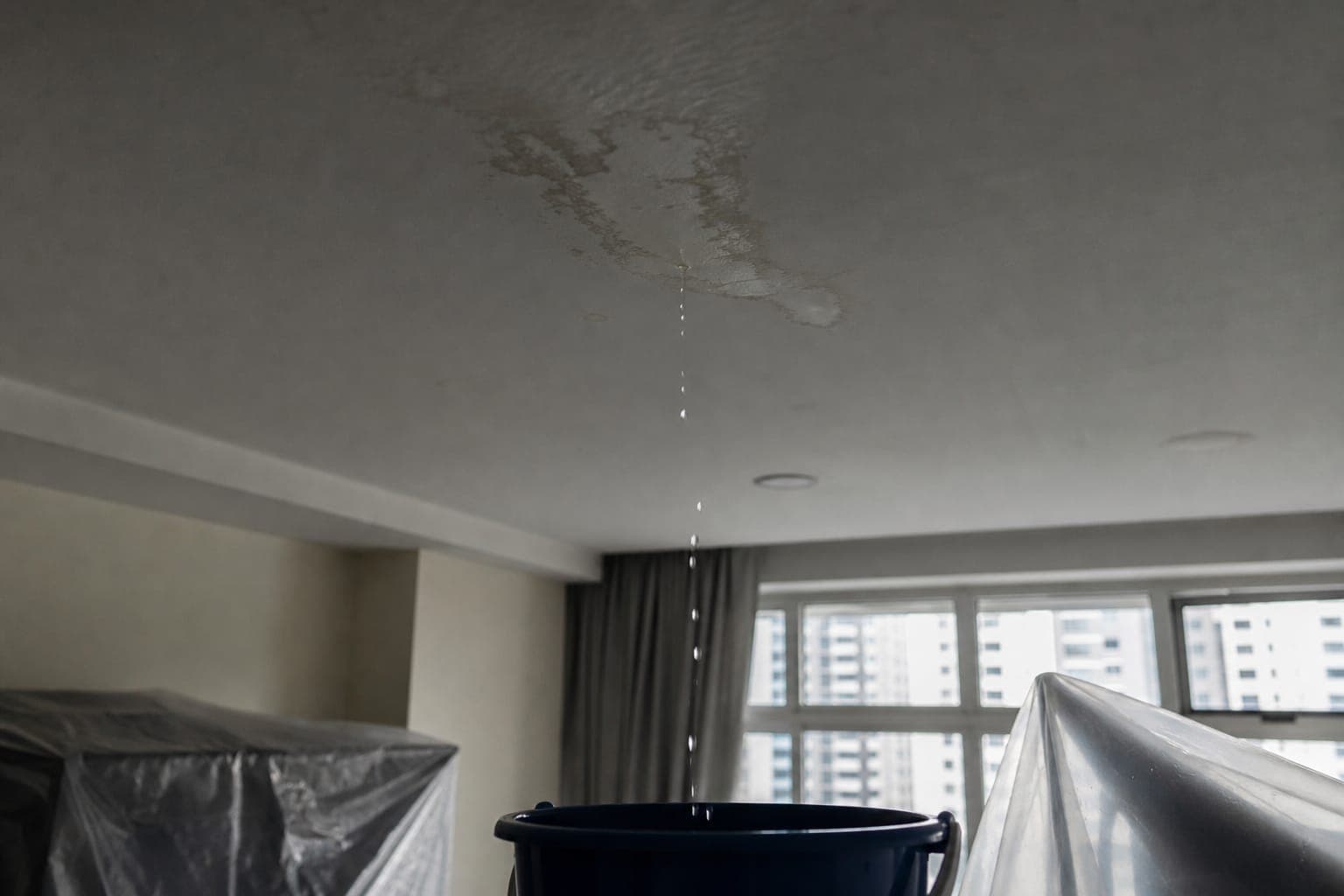
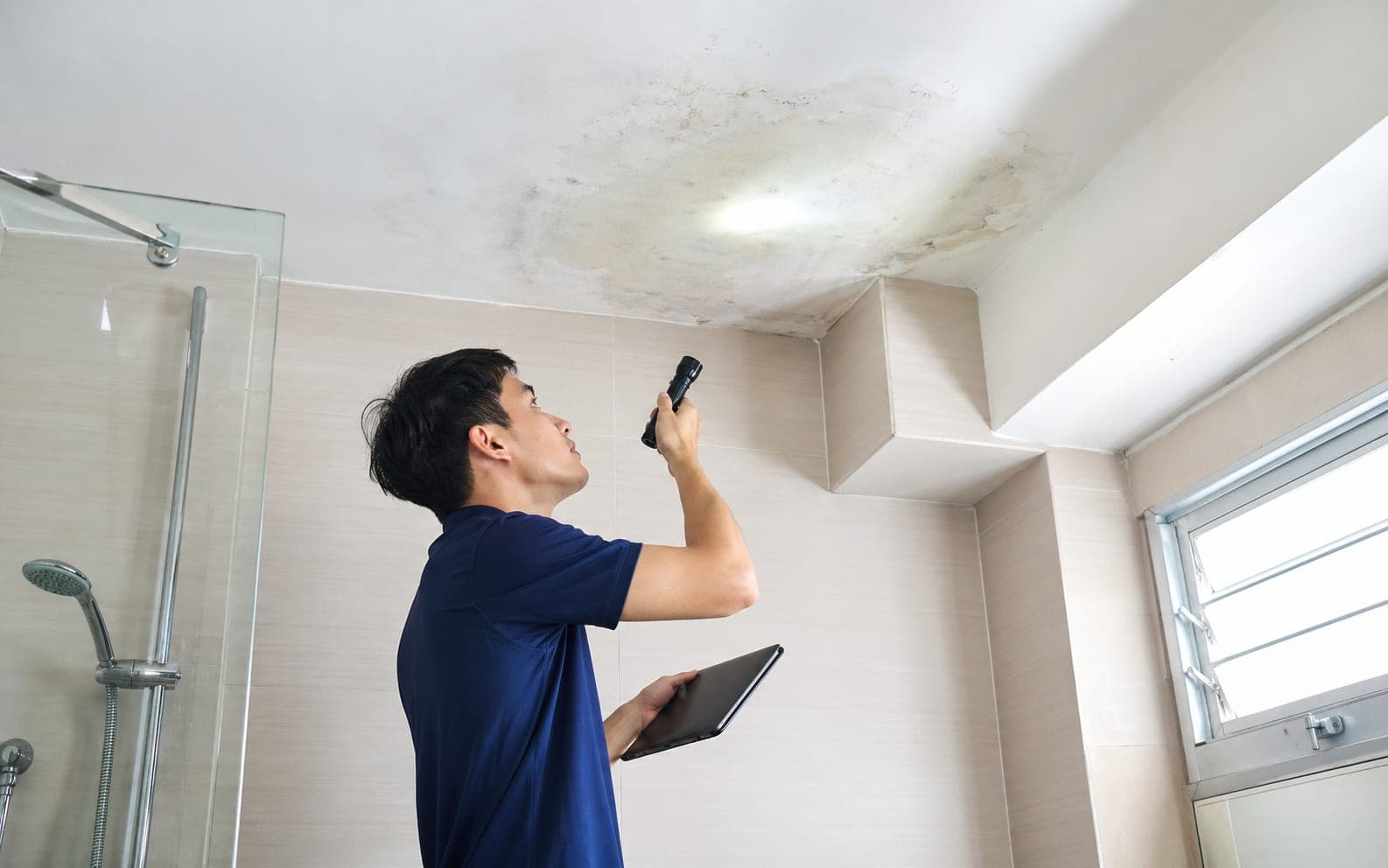
Water travels. It runs along pipes, across the top of a slab, through wall cavities and along ceiling boards before it shows. A stain in the corner of your bedroom might come from the bathroom next door, a pipe in the wall, a window frame, a crack in the external wall or the unit above.
Each of those has a different repair, and each repair has different access and reinstatement work around it. Until the source is confirmed, any price is a guess. Quotes given over the phone from a photo usually either pad for the worst case or quote for a surface fix that may not last.
The five things that drive the cost
1. The source
This is the biggest factor. Roughly, from smallest to largest job:
| Source | Typical scope | Relative scale |
|---|---|---|
| Window sealant or frame gap | Cut out and reseal the frame perimeter, clear weep holes | Small |
| Exposed pipe joint or floor trap seal | Replace the joint or seal, test | Small |
| Concealed pipe in a wall or floor | Open tiles or plaster, replace the section, pressure test, reinstate | Medium |
| Crack in an external wall | Seal and coat from outside; access can add a lot | Medium to large |
| Localised wet-area failure (one corner, around a floor trap) | Targeted hacking, membrane repair, ponding test, retile | Medium |
| Failed bathroom or toilet waterproofing | Hack tiles and screed, new membrane, ponding test, screed and retile | Large |
| Roof or flat-roof waterproofing | Strip or prepare the surface, new waterproofing system, test | Large |
The "relative scale" column is there to show how different the jobs are, not to price them. Your quote should explain which of these applies and why.
2. Access
How easy is it to reach the source? Work behind a removable access panel is cheap to reach. Work behind full-height tiles, built-in carpentry or a finished false ceiling is not. External walls on high floors may need a gondola, scaffold or rope access, which can cost more than the repair itself.
3. Testing
Pressure tests on pipes, ponding tests on wet areas and water spray tests on windows take time. They are also the only way to know the repair worked before finishes go back. A quote with no testing is cheaper on paper and riskier in practice.
4. Affected area
A small, localised defect costs less than treating a whole bathroom floor or a whole wall face. Sometimes a localised repair is enough. Sometimes it just moves the leak to the next weak point. Ask the contractor why they chose one over the other.
5. Reinstatement
After the repair, finishes must go back: tiles, screed, plaster, ceiling boards and paint. Matching discontinued tiles, replacing a section of false ceiling around lights, or repainting a whole room so the patch does not show all add up. This is often where quotes differ most, so check what is included.
How to read a leak repair quotation
A clear quote separates the job into parts so you can compare like with like:
- Investigation and testing: what will be done to confirm the source.
- Access: what will be hacked, removed or opened, and how much.
- Repair: the actual pipe, waterproofing, sealing or crack work, with the method and material named.
- Testing after repair: which test, and for how long.
- Reinstatement: tiles, screed, plaster, ceiling, carpentry.
- Painting: the patch only, or the full wall or ceiling.
- Exclusions: anything you need to arrange yourself, such as approvals, access to a neighbour's unit, or replacement fittings.
If two quotes differ a lot, the usual reason is that one includes hacking, testing or reinstatement that the other leaves out. Our guide to comparing renovation quotations covers the general method.
When a cheap repair costs more
The common false economy is treating the visible symptom:
- Painting over a damp ceiling. The stain comes back, and you pay for painting again.
- Silicone along tile edges to stop a bathroom leak. It may slow water at the surface, but the membrane underneath is still failed.
- Replacing a ceiling board under an active leak. The new board gets wet.
- Fixing one pipe joint in a corroded run. The next joint fails a few months later.
Each of these looks cheaper on the day. Over a year or two, repeat callouts, repainting, ceiling replacement and disputes with neighbours often cost more than doing the source repair properly once.
Decision checklist before you approve the work
- Has the contractor told you the likely source, and how they confirmed it?
- Do you know what will be opened, and roughly how much?
- Is there a test after the repair, and will finishes wait until it passes?
- Is the area being dried before painting or ceiling work?
- Is reinstatement included, and to what standard?
- If the source is in a neighbour's unit or common property, who is arranging that part?
- Does the job need HDB or MCST approval, and who applies?
Who pays when the leak is not yours
Cost responsibility usually follows the source. In HDB flats, ceiling leaks between two flats are generally treated as a shared matter for the upper and lower owners to resolve together, and HDB can help investigate if they cannot agree. In condos, the MCST is responsible for common property such as external walls and common pipes. Our guide to a ceiling leak from the upstairs unit explains the joint inspection and how to document the problem.
For damp walls rather than ceilings, see wall leakage and water seepage repair, which covers neighbour and MCST responsibility for wall seepage.
When to act quickly
Move fast if water is near lights or sockets, a ceiling board is sagging, a stain is spreading, water appears after every shower, or the unit below has reported damage. Act quickly too if a leak appears soon after renovation, because the cause may be new plumbing, floor falls or waterproofing details that are easier to fix while the contractor's work is fresh. For dripping water near electrics, isolate the circuit and arrange emergency leakage repair for containment first.
Frequently asked questions
Is the site visit charged?
Our site visit and quotation are free, with no obligation. The quote is itemised so you can see what each part of the work costs.
Can I get a price from photos?
Photos help us prepare, and sometimes the cause is obvious. For most leaks, though, a fair price needs a site visit, because the source decides the scope.
Why is bathroom waterproofing so much more than a pipe repair?
Because the membrane sits under the tiles and screed. Fixing it properly means removing the floor, applying and testing a new membrane, then screeding and retiling. See bathroom and toilet waterproofing for the full process.
Should I fix the leak or renovate the bathroom?
If the bathroom is old and you were planning to redo it anyway, re-waterproofing as part of the renovation avoids paying for tiling twice. If the bathroom is recent, a targeted toilet leakage repair may be enough.
Bottom line
Water leakage repair cost in Singapore is set by the source, the access, the testing and the reinstatement, in that order. Compare quotes on those four parts, not on the total alone, and be wary of any fix that only treats the stain. If you want the source found and an itemised quote, send us photos on WhatsApp or book a free site visit through our water leakage repair page.
Need a contractor?
Get advice for your project
Send us your property type, photos, and preferred timeline. We'll recommend the next step and prepare a clear quotation.