On this page (7 sections)
Buying a resale HDB flat often means inheriting years of wear, outdated systems, and hidden defects. If you are planning a resale HDB renovation Singapore project, the smartest move is to inspect and prioritise repairs before committing to cosmetic upgrades.
Fixing structural, waterproofing, and electrical issues first protects the investment you put into carpentry, flooring, and finishes, and avoids reopening completed work later.
Inspect before you design
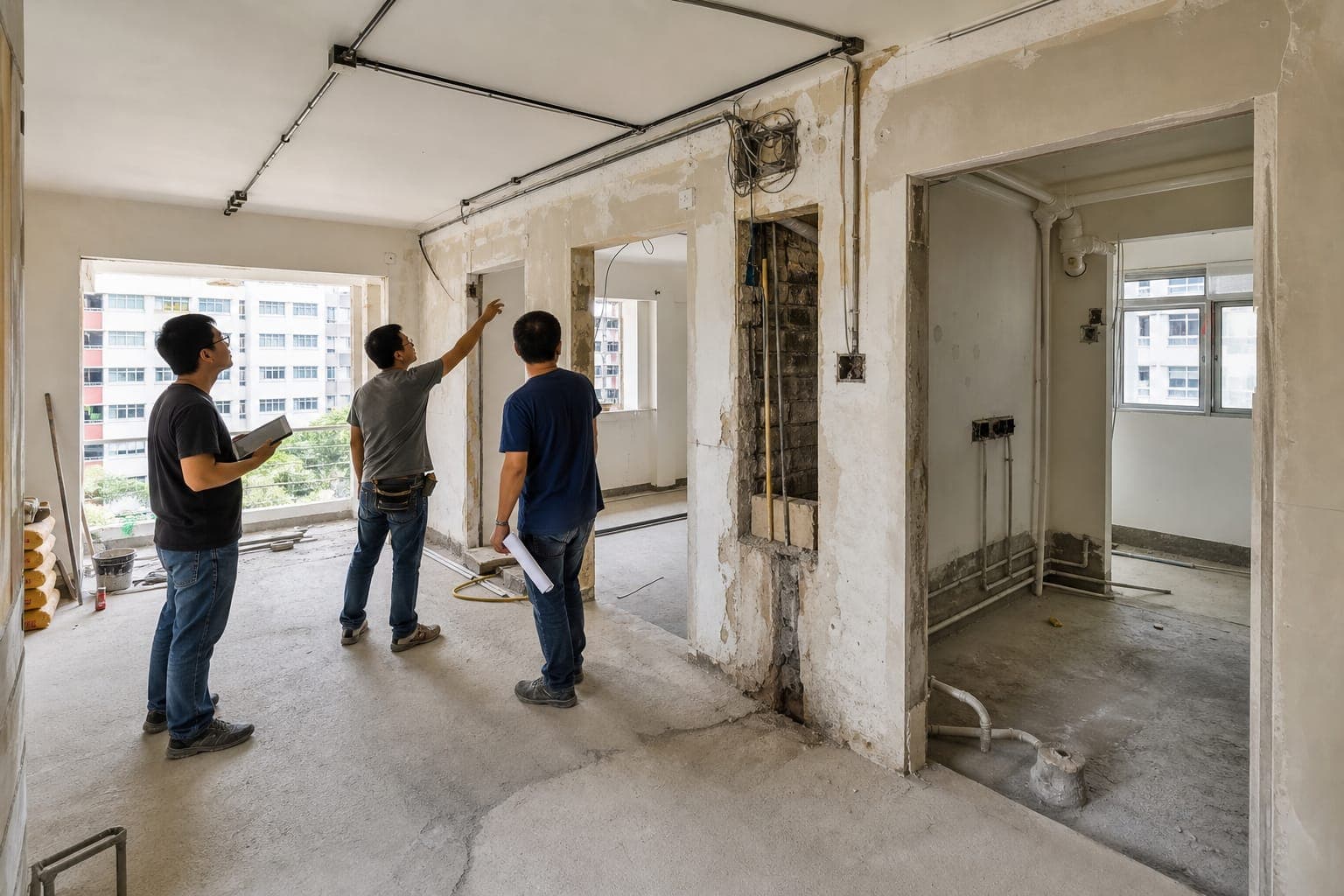
Before choosing tiles or cabinet colours, walk the flat with a practical checklist. Look for ceiling stains and bubbling paint (signs of past leaks), toilet and bathroom odours or soft flooring (failed waterproofing), crack patterns in walls (may indicate movement or past leakage), rust stains on ceilings or beams (concrete spalling risk), and ageing electrical panels, sockets, and wiring.
Older flats may also have non-compliant or unsafe alterations from previous owners. Identifying these early prevents costly surprises after hacking starts.
Prioritise waterproofing and leak repair
Bathrooms and toilets in older HDB flats are the highest-risk areas. If waterproofing has failed, no amount of new tiles will solve the problem; water will find its way through again. Plan for proper bathroom waterproofing with flood testing before closing up floors and installing carpentry nearby.
Check for signs of leakage from upstairs units or roof areas, especially on top-floor flats. Address active leaks before plastering, painting, or installing false ceilings below the affected areas.
Adex handles bathroom waterproofing, toilet leakage repair, and water leakage repair as part of resale HDB renovation, full home renovation, and partial renovation projects.
Electrical and plumbing safety
Resale flats often have outdated electrical systems that cannot safely support modern appliance loads. Signs you may need rewiring include frequent tripping, warm switch plates, limited power points, and aluminium or ageing copper wiring.
Plumbing deserves the same attention: corroded pipes, slow drains, and hidden leaks behind walls can cause damage after your renovation is complete. Replacing or upgrading pipe runs during hacking is far cheaper than breaking finished surfaces later.
HDB rules still apply
Even though you own a resale flat, HDB renovation rules and permit requirements still apply. Hacking structural elements, changing wet-area layouts, and certain window or door replacements need approval. Your contractor should know what requires HDB submission and what can proceed under standard guidelines.
Planning your scope within these rules from the start avoids stop-work orders and rework.
Cosmetic upgrades that add the most value
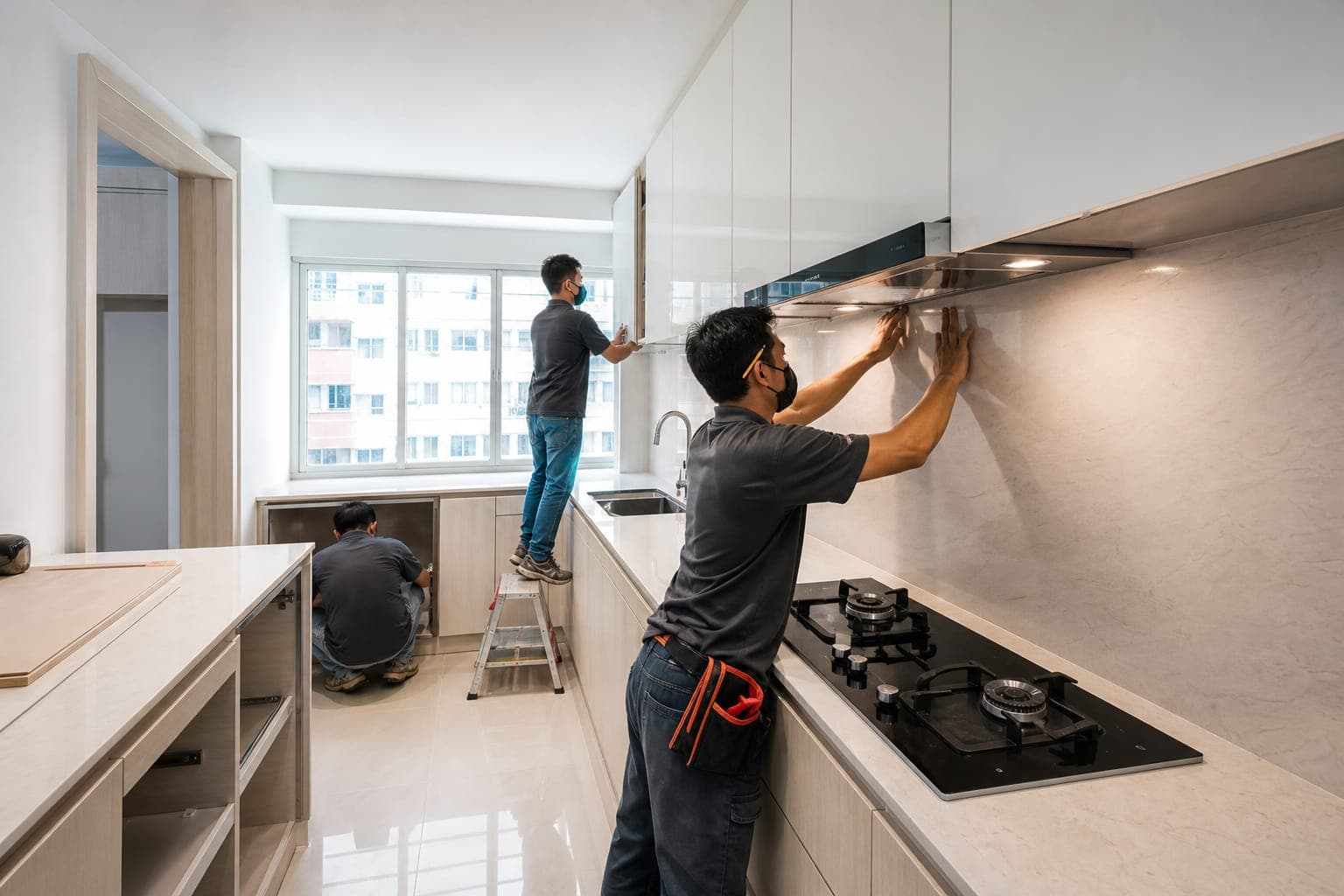
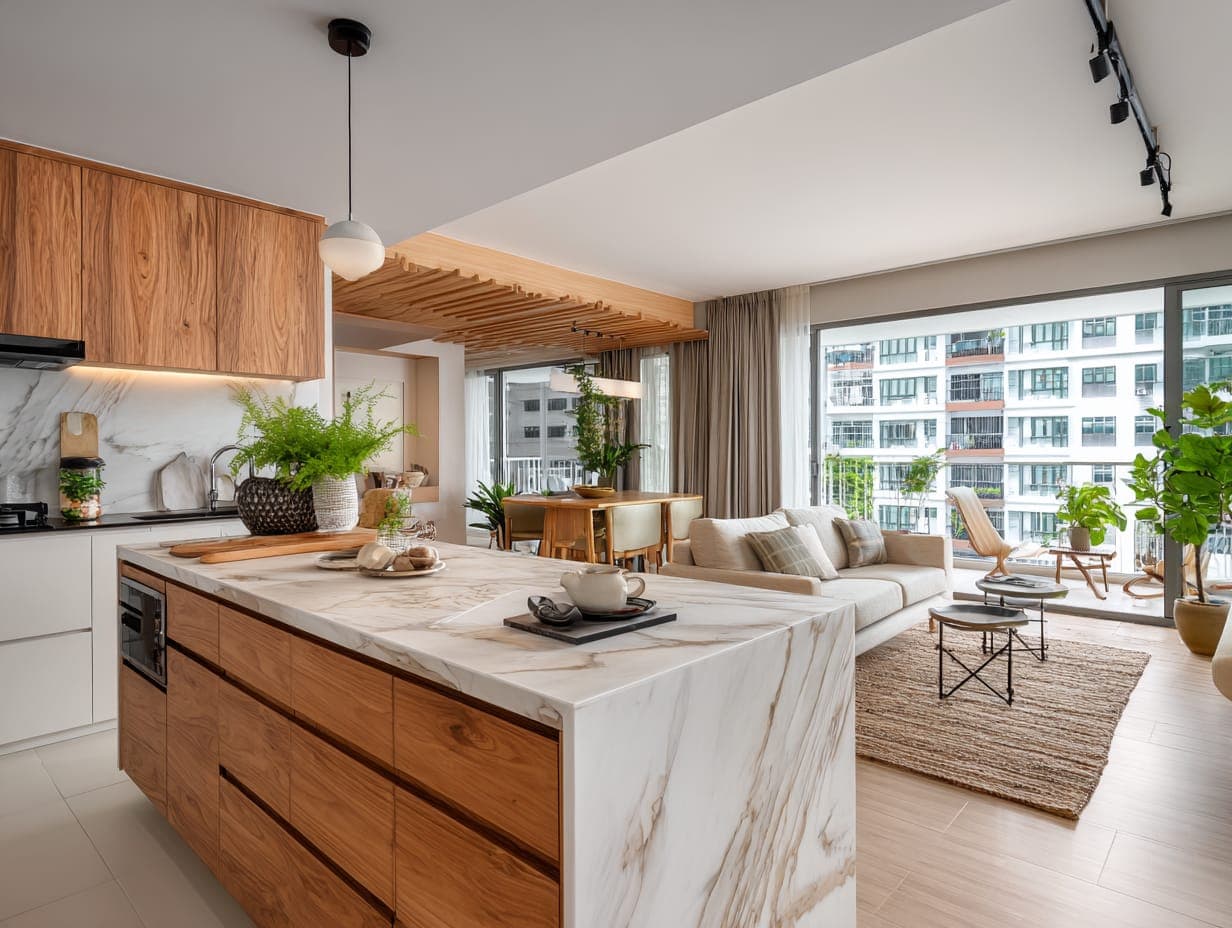
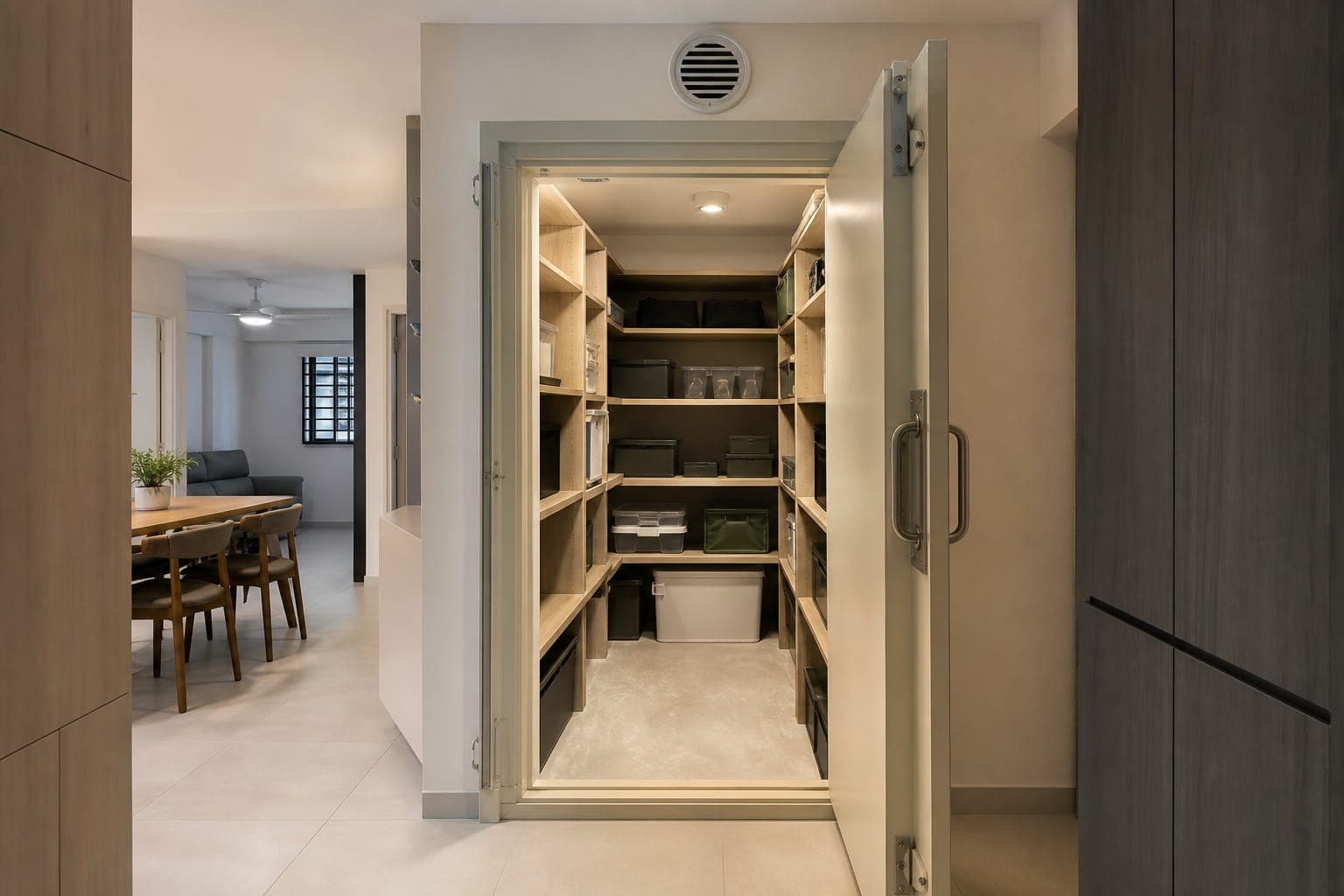
Once repairs are addressed, focus renovation budget on areas that affect daily living: kitchen functionality, bathroom condition, storage, and flooring. A partial renovation targeting these zones often delivers better value than spreading budget thinly across every surface.
Fresh painting, updated lighting, and practical carpentry can transform an older flat without a full strip-out, provided the underlying systems are sound.
Budgeting for resale flat surprises
Set aside a contingency of 10–15% for resale flats, especially those older than 20 years. Hidden conditions (failed waterproofing, pipe corrosion, termite damage, or concrete spalling) are common and rarely visible during a brief viewing.
A phased approach works well: fix defects and essential systems first, then proceed with carpentry and finishes once the flat is dry, safe, and stable.
Bottom line
Resale HDB renovation in Singapore works best when you repair before you decorate. Inspect for leaks, waterproofing failure, electrical risk, and structural warning signs, then sequence works so wet areas and M&E are resolved before finishes go in. That approach protects your budget and gives you a home that lasts, not just one that photographs well on handover day.
Need a contractor?
Get advice for your project
Send us your property type, photos, and preferred timeline. We'll recommend the next step and prepare a clear quotation.