On this page (7 sections)
Most renovation budgets fail not because homeowners overspend on tiles, but because they plan to the last dollar with no reserve. Setting a renovation budget contingency Singapore homeowners actually keep unspent is one of the most effective ways to finish a project without cutting corners when surprises appear.
Contingency is not optional padding; it is the part of your budget you hope not to use, but will be glad you have.
How much contingency to set aside
A practical rule of thumb:
- New BTO or new condo (bare shell): 5–10% of total renovation budget
- Resale HDB or older condo: 10–15%
- Older landed or terrace house: 15–20%
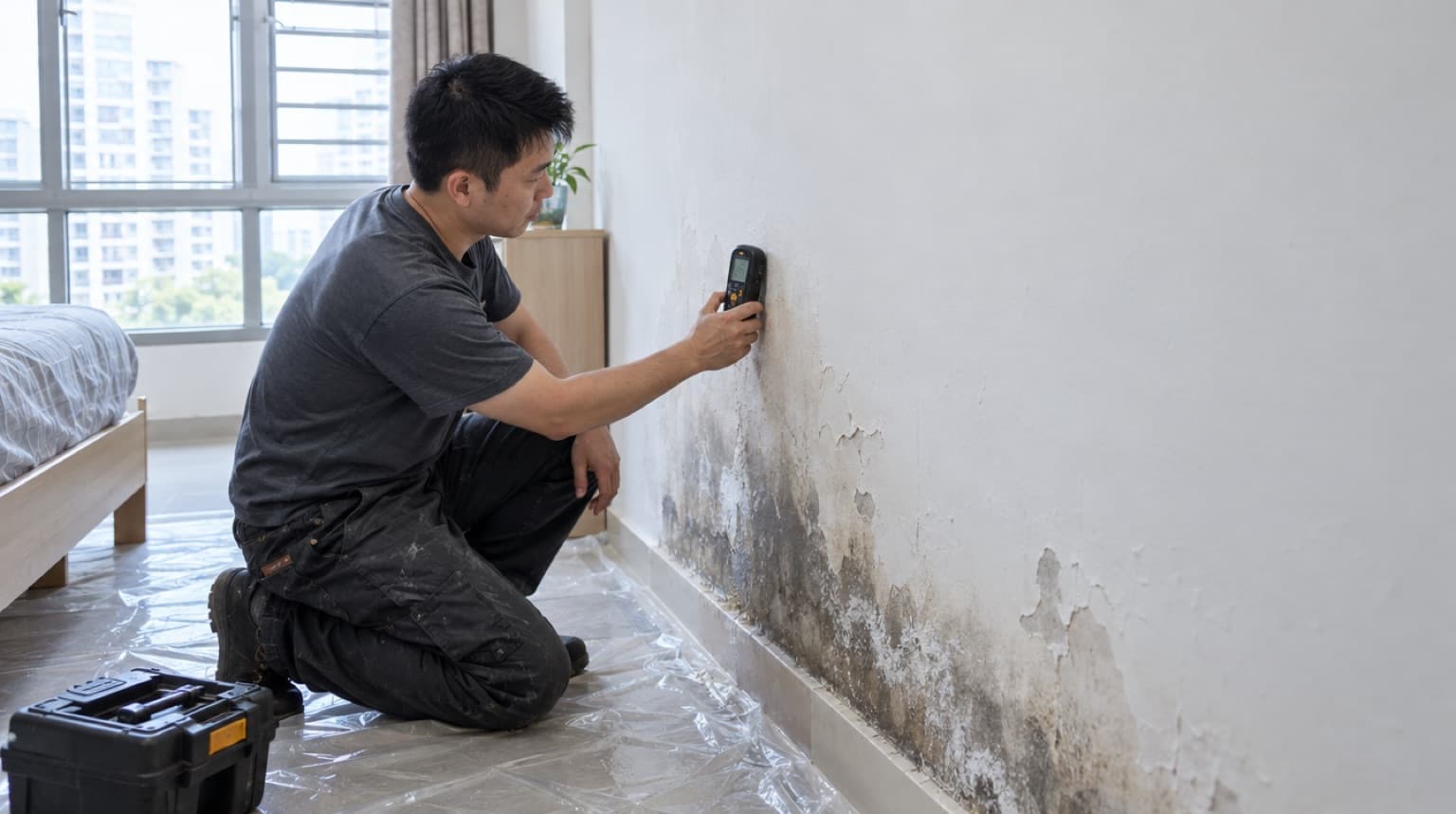
Higher contingency reflects greater uncertainty once hacking reveals pipe condition, hidden leaks, termite damage, or non-compliant previous works.
Where hidden costs actually appear
Common surprises after work starts include corroded pipes needing replacement, failed bathroom waterproofing requiring full redo, electrical wiring not meeting current standards, concrete spalling or structural cracks discovered during hacking, asbestos or hazardous material handling in very old buildings, MCST penalties or additional protection requirements, and long-lead items that force schedule changes.
None of these are contractor "extras" if they were genuinely unforeseeable, but they are your financial responsibility unless explicitly covered in contract.
Contingency vs variation orders
Contingency is your internal reserve for unknowns. Variation orders are formal contract changes with agreed pricing: scope you add (upgrade tiles, extra carpentry) or unforeseen conditions the contractor documents and quotes before proceeding.
Good practice: approve variation orders in writing before work continues. Do not let contingency silently absorb contractor-initiated extras without documentation.
Adex provides transparent quotations for full home renovation, partial renovation, resale-ready repairs, and structural rectification so homeowners can plan reserves realistically.
How to structure your total budget
Split your planning into three buckets:
- Base contract: agreed scope in the quotation
- Known upgrades: items you may add (better appliances, extra storage) priced as options
- Contingency reserve: held back for surprises, not allocated to upgrades until needed
Spending contingency on upgrades during the project leaves nothing for pipe replacement when hacking reveals corrosion.
Reduce surprises before signing
Conduct pre-renovation checks on older flats: look for stains, odours, crack patterns, and age of plumbing. Request assumptions in writing from contractors ("quote assumes no pipe replacement required"). Visit neighbours in older blocks if possible; common building issues often repeat.
Due diligence before signing reduces but does not eliminate contingency need.
When to release contingency
Use contingency for documented unforeseen conditions, not for scope creep you chose mid-project. If hacking reveals failed waterproofing, that is contingency. If you decide to upgrade to marble mid-project, that is a variation or upgrade bucket item.
Keeping the categories separate protects financial control.
Bottom line
Renovation budget contingency in Singapore should match property age and risk: 5% for new shells, up to 20% for older landed homes. Hold it separately from upgrade spending, approve variations in writing, and do pre-renovation checks to reduce surprises. The goal is finishing with quality intact, not running out of money when the first hidden pipe appears.
Need a contractor?
Get advice for your project
Send us your property type, photos, and preferred timeline. We'll recommend the next step and prepare a clear quotation.