On this page (9 sections)
Renovating a condo unit without MCST approval is one of the fastest ways to get a stop-work order and lose your renovation deposit. If you are navigating MCST renovation approval Singapore requirements, understanding the process before hacking starts saves time, money, and disputes with your management corporation.
Every condominium has its own by-laws and renovation guidelines, but the core approval steps and restrictions follow a similar pattern across most MCST-managed buildings in Singapore.
What MCST approval covers
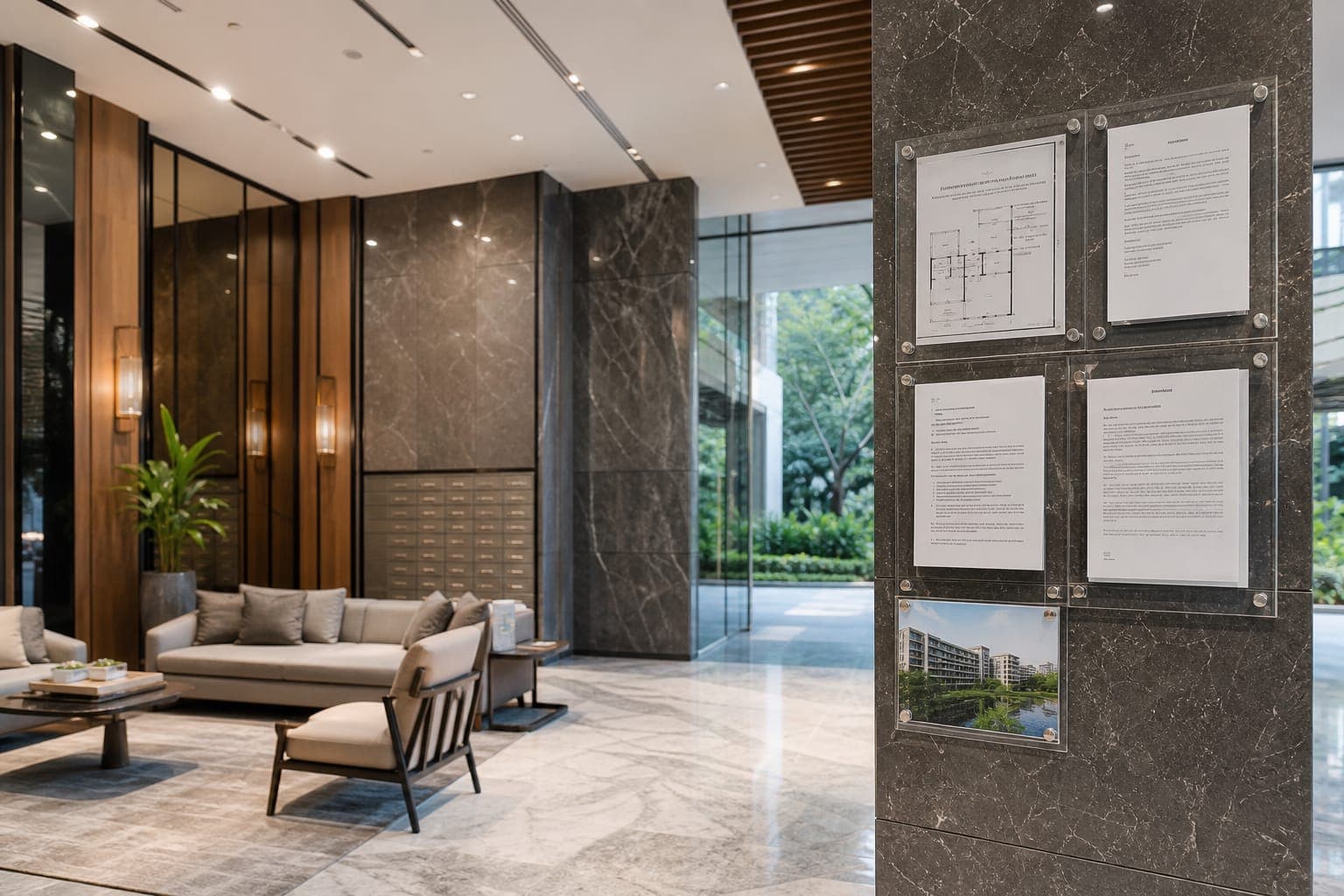
Before renovation works begin, owners typically must submit a renovation application to the managing agent or MCST. The application usually includes contractor details and licences, scope of works description, expected start and end dates, floor plans or layout drawings, and insurance or indemnity documents as required.
The MCST reviews the submission against the condominium's by-laws, checking hacking scope, wet-area changes, working hours, and use of common areas. Approval must be obtained before work starts; starting early is a common reason for penalties or forced cessation.
Renovation deposits and insurance
Most MCSTs require a refundable renovation deposit, often ranging from $1,000 to $5,000 or more depending on the condominium. The deposit covers potential damage to common property (lift interiors, corridors, lobby finishes) and ensures contractors repair any damage before refund.
Some buildings also require contractors to carry public liability insurance naming the MCST as an interested party. Confirm these requirements when requesting quotations so the costs are not a surprise.
Approved working hours and noise rules
Condo renovations are restricted to approved hours, commonly weekday daytime slots and limited Saturday hours. Noisy works like hacking, drilling, and demolition are usually further restricted to shorter windows within those hours.
Exceeding approved hours risks complaints from neighbours, fines, and stop-work orders. Plan your renovation sequence so the noisiest phases fall within permitted windows, and communicate the schedule to your contractor clearly.
Hacking and structural rules
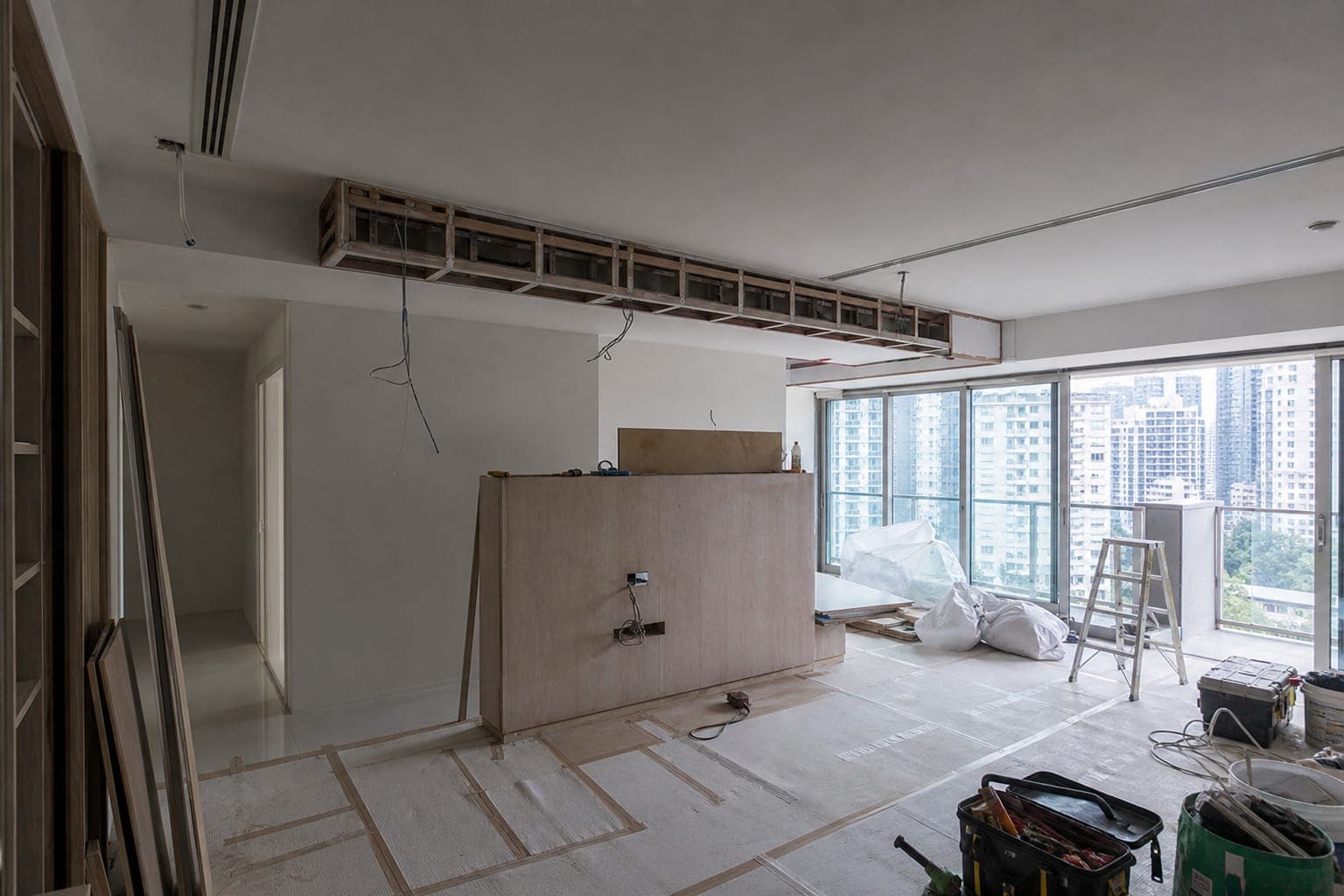
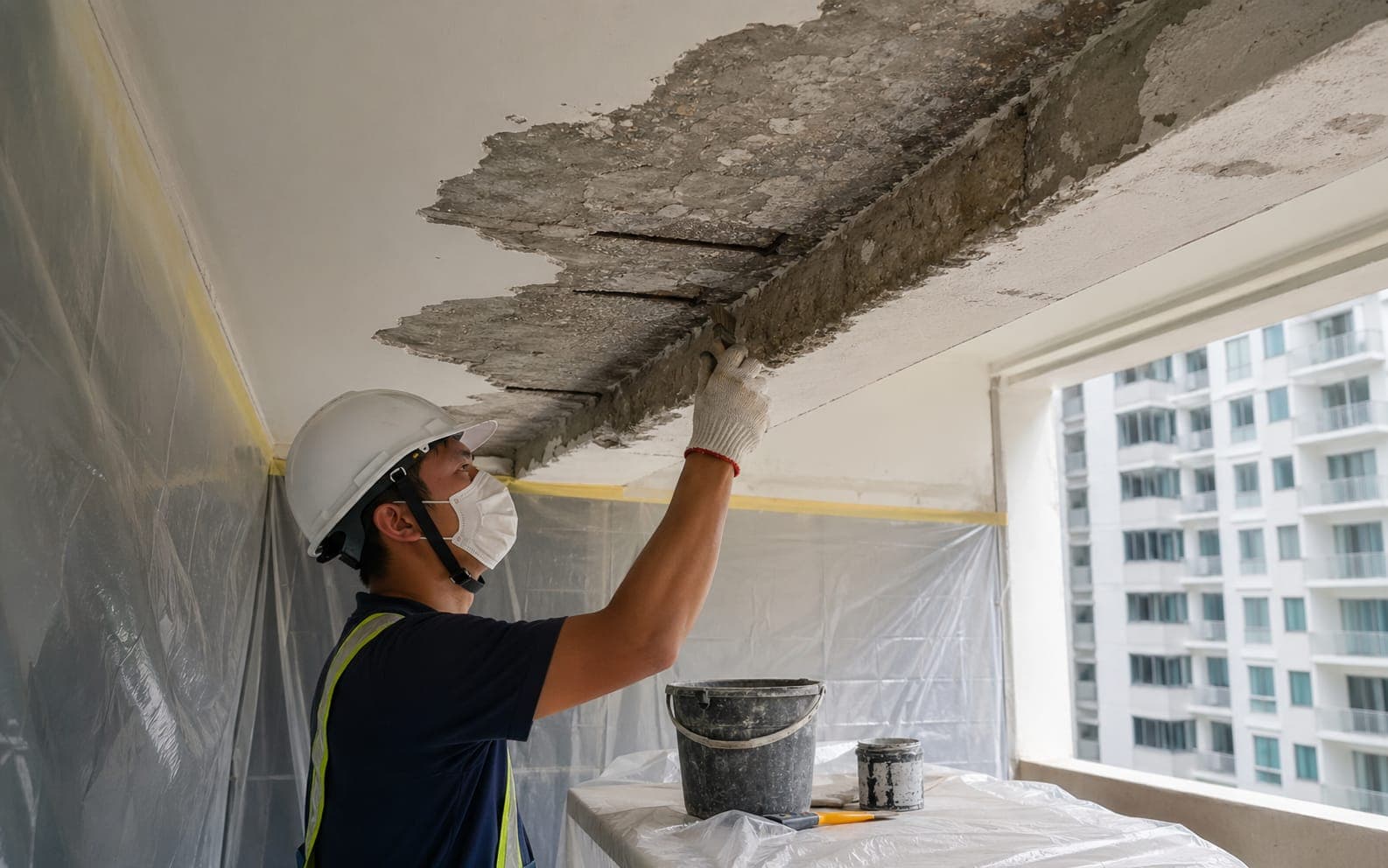
Most MCSTs restrict hacking of structural walls, beams, and columns. Even non-structural hacking may require approval with drawings showing the affected areas. Exceeding approved hacking scope is a frequent cause of disputes and rectification orders.
If your design requires significant wall removal or wet-area relocation, confirm MCST and building constraints before finalising layouts, not after signing with an interior designer.
Wet-area and waterproofing requirements
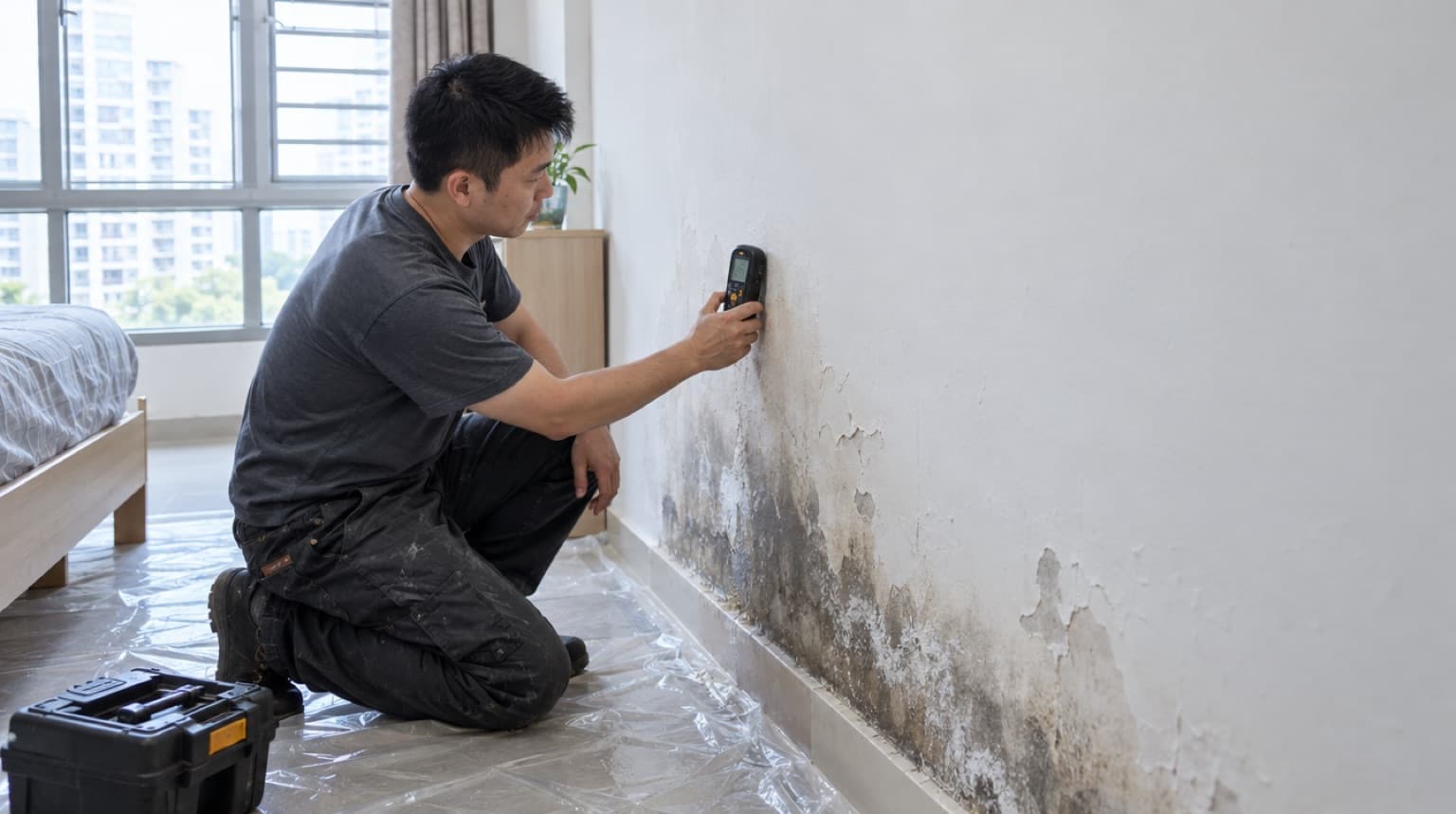
Bathrooms and kitchens in condos often have strict rules about wet-area modifications. Many MCSTs require waterproofing works to be documented, and some mandate flood testing or third-party supervision before tiles are laid.
Skipping approved waterproofing procedures can lead to leakage claims from units below, and liability that far exceeds the cost of doing it properly the first time. Adex handles condo renovation with bathroom waterproofing sequenced to meet both technical and MCST requirements.
Using lifts and common areas
Material movement through shared lifts and corridors must follow MCST rules. That usually means lift protection boards, designated lift booking slots, and clearing corridors promptly. Damage to lift cabins or lobby finishes is deducted from the renovation deposit.
High-floor units should plan material logistics early: restricted lift access and smaller lift cabins affect how materials are staged and how long the project takes.
What happens if you breach the rules
Consequences range from written warnings and fines to stop-work orders, deposit forfeiture, and mandatory rectification at the owner's cost. Neighbour complaints about noise, dust, or debris also escalate quickly in condo settings.
A contractor experienced with MCST-managed buildings knows how to submit proper documentation, protect common areas, and work within approved hours, reducing the risk of interruptions.
How to prepare your application
Gather your floor plan, proposed scope of works, contractor company profile and licences, and projected timeline before contacting the managing agent. Submit early: approval can take one to three weeks depending on the MCST and the complexity of your works.
If your renovation involves structural or extensive wet-area changes, allow extra time for the MCST to review or request additional documentation.
Bottom line
MCST renovation approval in Singapore is not optional paperwork; it sets the boundaries for what you can do, when you can do it, and how your contractor must protect the building. Submit your application before work starts, respect approved hours and hacking limits, and sequence waterproofing properly. That keeps your project on track and your deposit intact.
Need a contractor?
Get advice for your project
Send us your property type, photos, and preferred timeline. We'll recommend the next step and prepare a clear quotation.