On this page (5 sections)
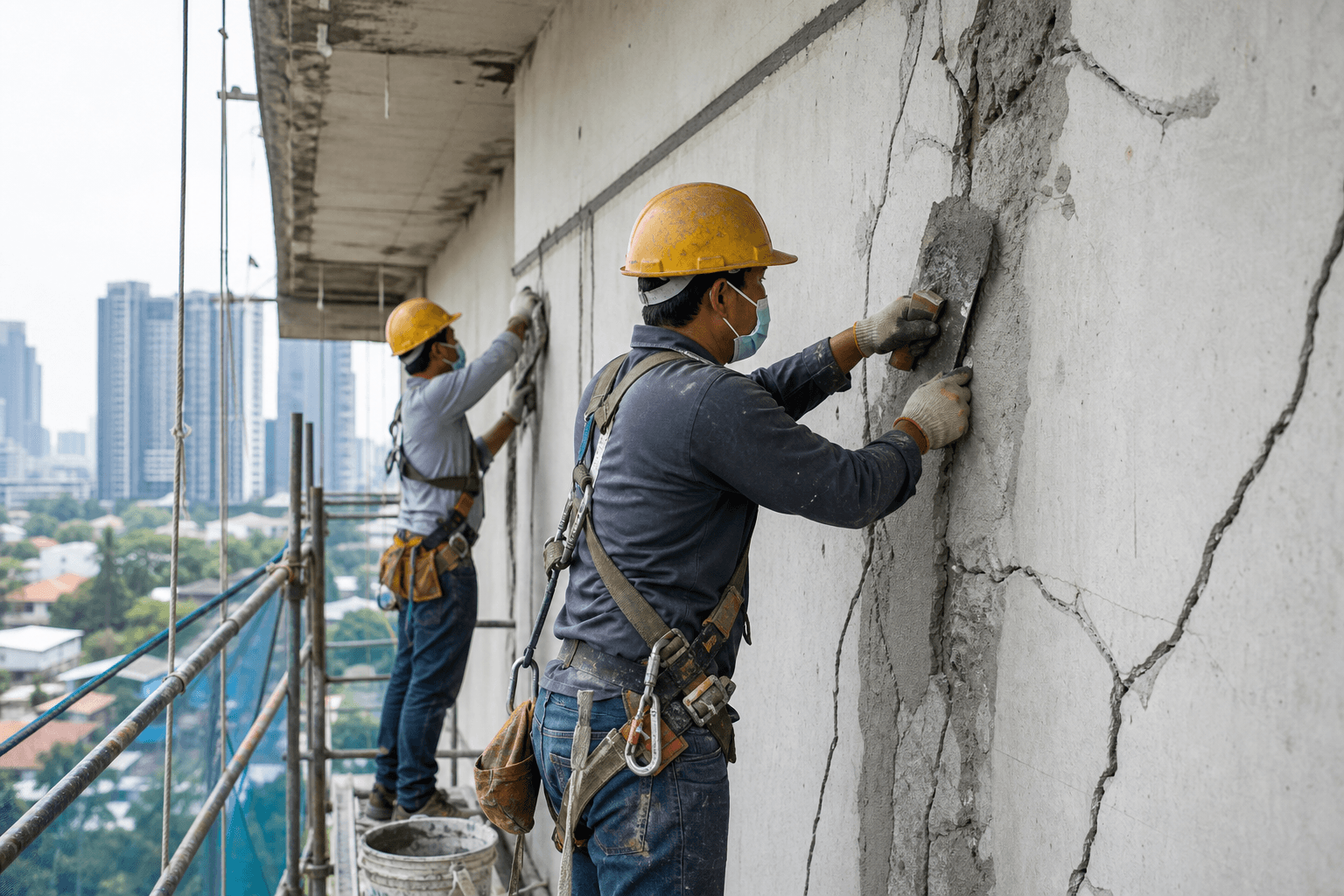
When homeowners search for wall crack repair Singapore, they usually want to know whether the crack is cosmetic, water-related, or a sign of movement. The answer affects the repair method. Filling and painting a crack may be enough for a small plaster defect, but it is not enough for active seepage or structural movement.
Cracks appear for many reasons: plaster shrinkage, settlement, thermal movement, water seepage, impact, hacking works, old repairs, or movement around openings. A contractor should read the pattern before recommending a repair.
Common wall crack types
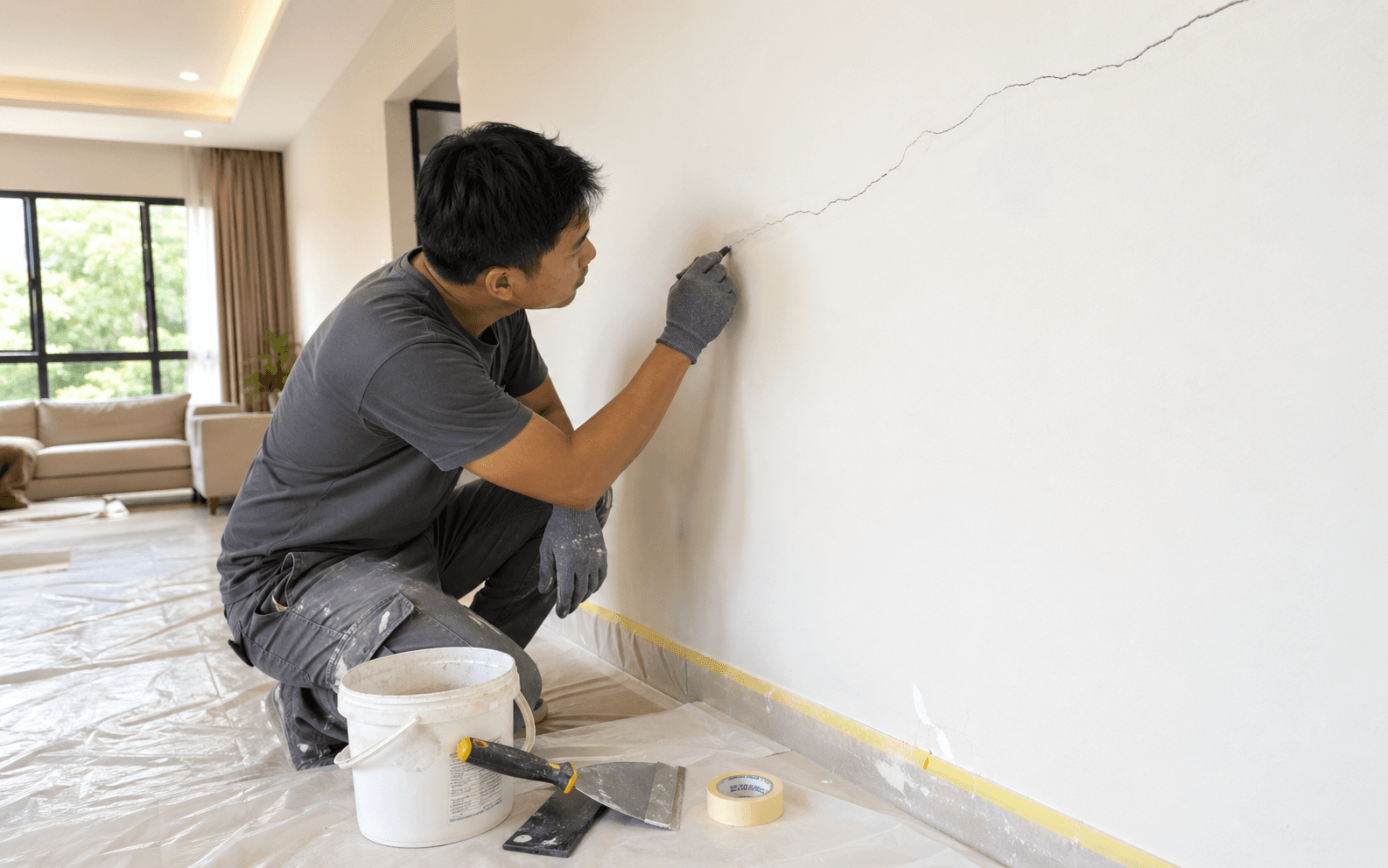
Hairline cracks in plaster are often cosmetic, especially if they are thin, stable, and dry. Diagonal cracks from door or window corners may suggest movement or stress concentration. Horizontal cracks, widening cracks, cracks with rust stains, and cracks that return after repair deserve closer inspection.
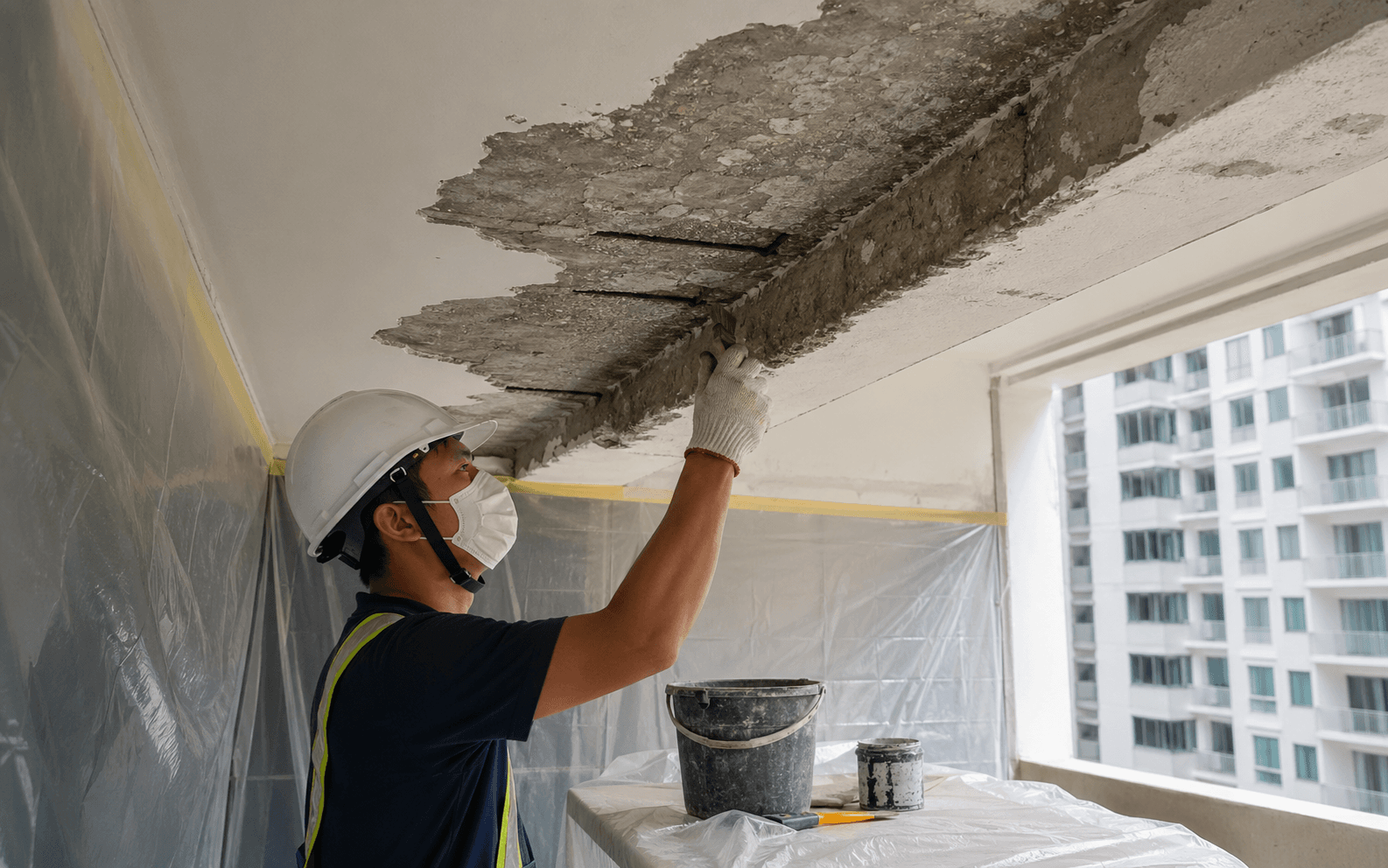
If the wall is damp, the crack may be acting as a water path. External wall cracks, balcony edges, roof parapets, and bathroom-adjacent walls can allow seepage to travel into interior finishes.
Why the repair method matters
For a stable plaster crack, the repair may include opening the crack slightly, cleaning loose material, filling with suitable compound, sanding, priming, and painting. For recurring cracks, reinforcement tape or mesh may be needed before skim coating.
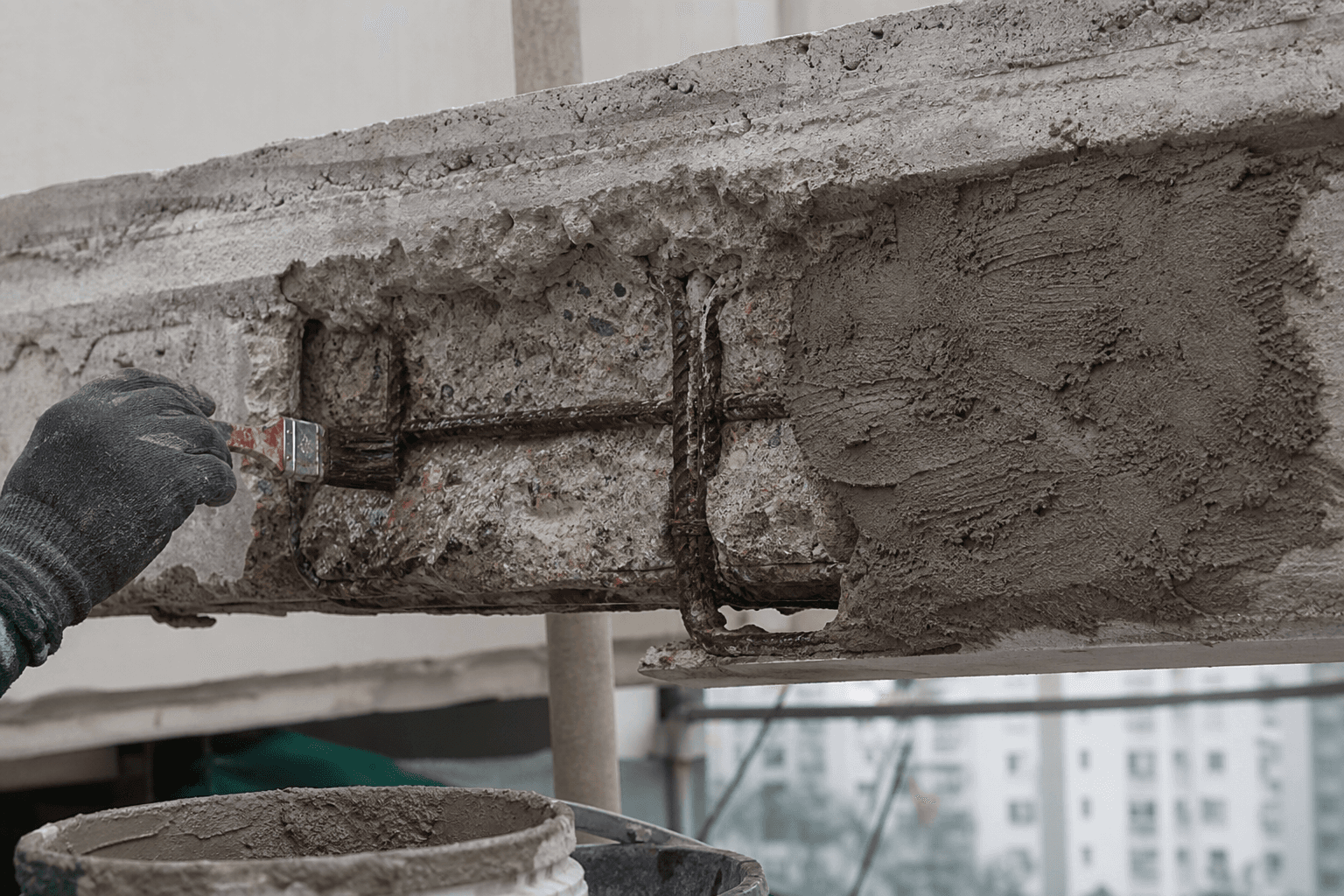
For water-related cracks, the source must be sealed from the correct side where possible. Internal patching alone can trap moisture and lead to bubbling paint, mold, or repeated staining. For movement-related cracks, the contractor may need to assess whether structural rectification or a specialist inspection is required.
Adex handles wall crack repair in Singapore, pre-handover defect repair, and structural rectification where the defect is more than a surface finish issue.
What to document before calling a contractor
Take photos with dates. Measure the crack width if it appears to be growing. Note whether it gets worse after rain, after shower use, or after nearby renovation work. Check both sides of the wall if accessible.
For landed houses, include exterior photos of the corresponding wall area. For condos, note whether the crack is near a balcony, window, air-conditioning ledge, pipe chase, or wet area. Those clues help narrow the cause.
Questions to ask before repair
Ask whether the crack is active or stable. Ask whether moisture is present. Ask if the repair includes only filling and painting, or if it includes waterproofing, mesh reinforcement, plaster reinstatement, or structural rectification. If the contractor cannot explain why the crack appeared, the repair may be a guess.
Bottom line
Wall crack repair in Singapore should match the cause. Cosmetic cracks need neat finishing. Seepage cracks need source control. Movement cracks need investigation before surface repair. The best result is not just a smooth wall on handover day, but a crack that does not keep returning.
Need a contractor?
Get advice for your project
Send us your property type, photos, and preferred timeline. We'll recommend the next step and prepare a clear quotation.