On this page (5 sections)
Noise is one of the most common complaints in dense Singapore living, and one of the most misunderstood to fix. If you are researching soundproofing Singapore, the first thing to know is that soundproofing (blocking sound) and acoustic treatment (improving sound inside a room) are different goals with different methods.
Soundproofing aims to stop noise passing between spaces. It relies on mass, sealing gaps, decoupling surfaces, and absorption within the construction — not on foam panels stuck to a wall, which mostly affect echo inside the room.
What actually reduces noise transmission
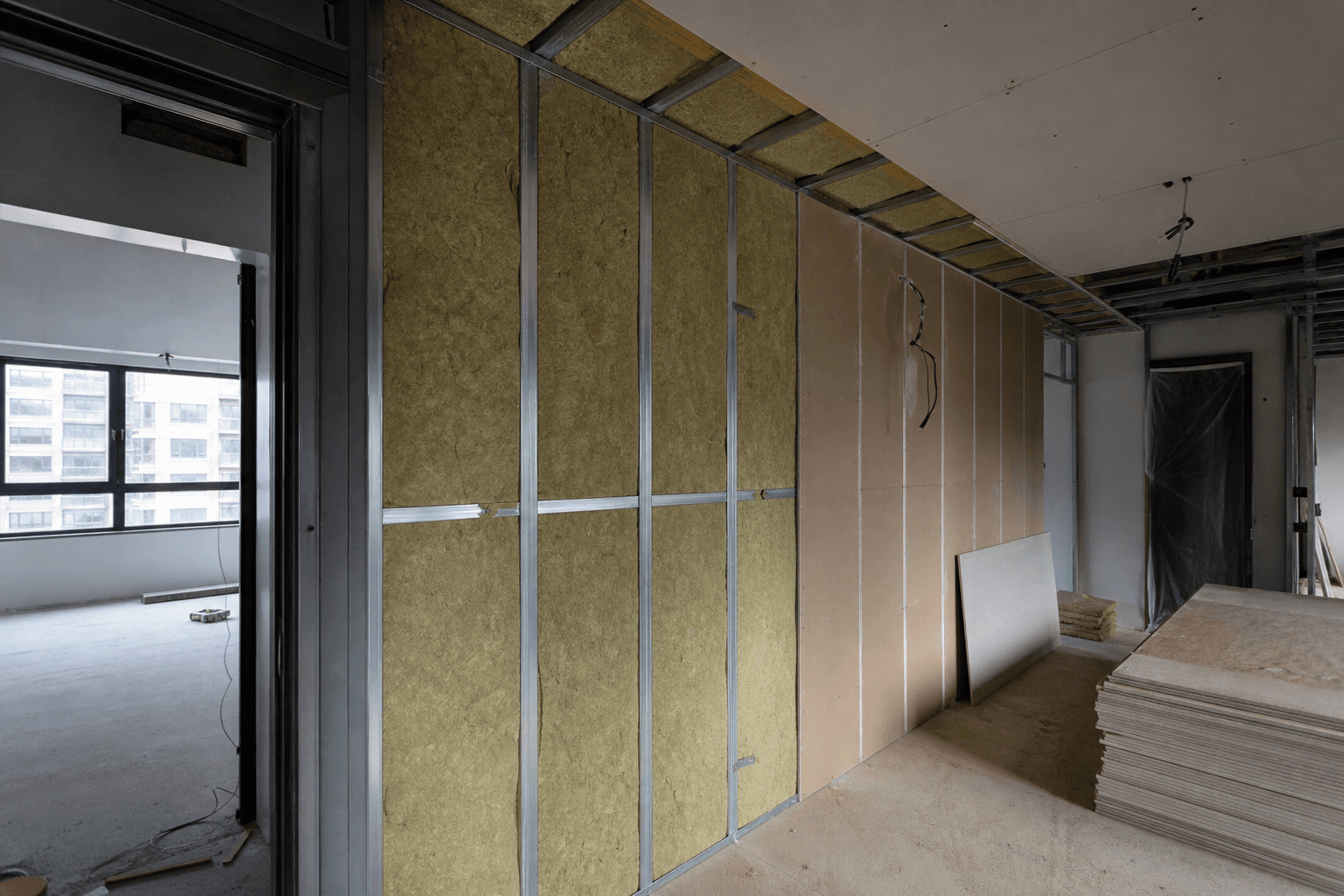
The principles that work are adding mass (denser, heavier layers), sealing air gaps around doors, windows, and penetrations, decoupling structures so vibration does not pass through, and adding absorption inside cavities. Most effective soundproofing combines several of these rather than relying on one product.
Methods by surface
Walls can be upgraded with additional dense board layers, insulation in the cavity, and resilient mounting. Ceilings benefit from a decoupled false ceiling with absorption above. Doors are a common weak point — solid-core doors with proper seals make a big difference. Floors may use acoustic underlay to reduce impact noise to the unit below.
Adex provides soundproofing for different needs — residential soundproofing, office soundproofing, and studio soundproofing — matched to how each space is used.
Homes, offices, and studios differ
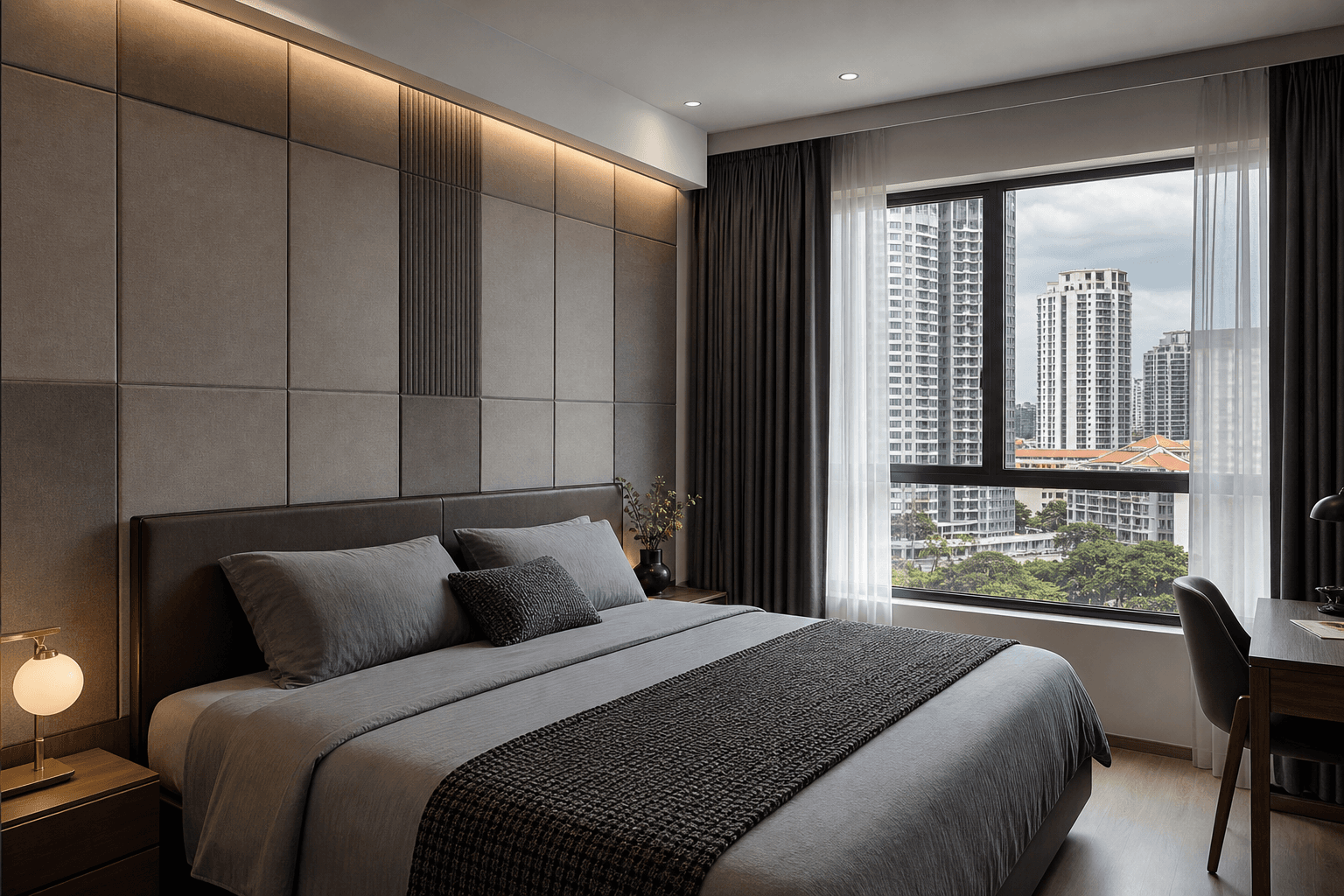
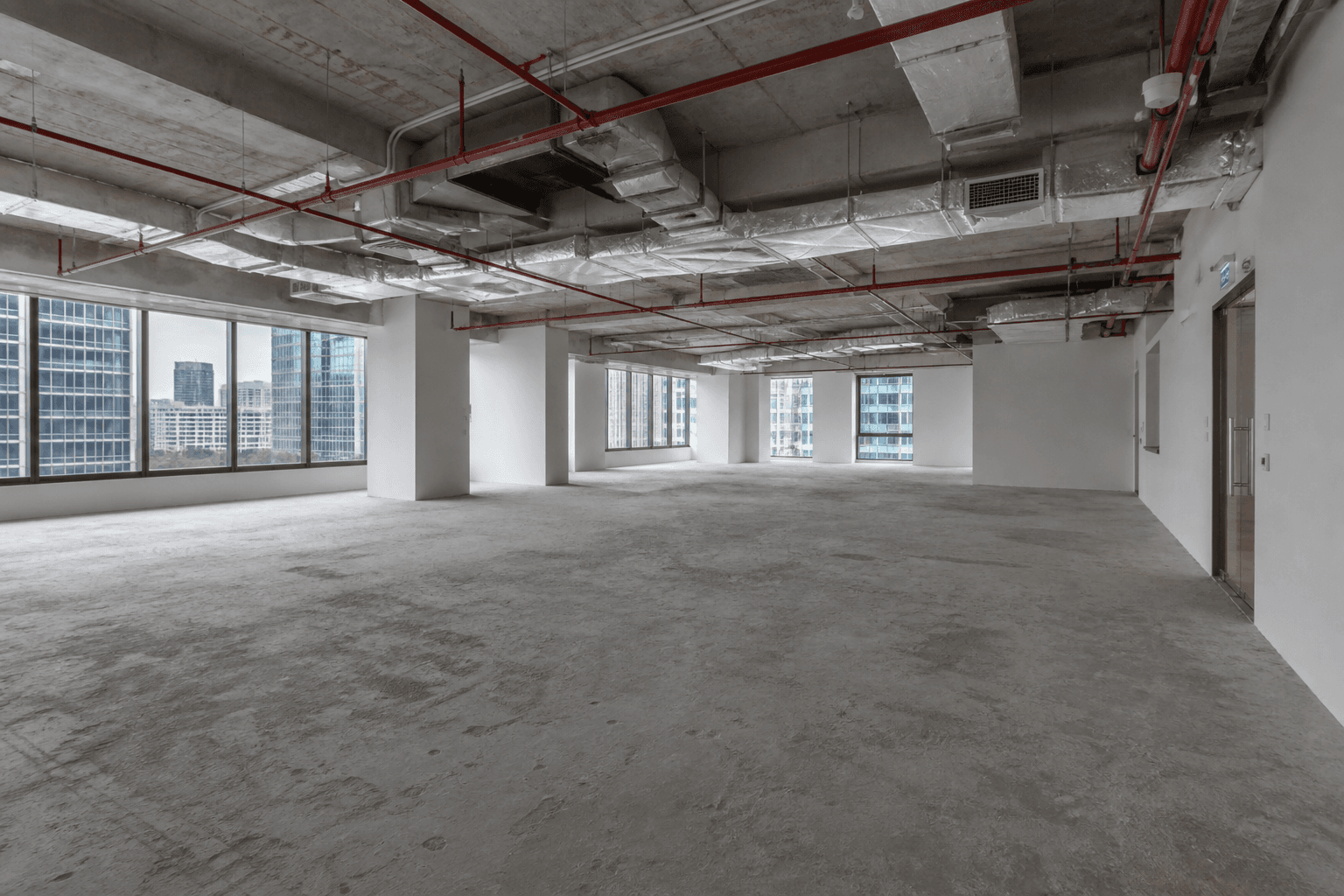
Homes usually target reducing neighbour or traffic noise and improving bedroom quiet. Offices focus on speech privacy for meeting rooms and reducing open-plan distraction. Studios demand the highest performance, with serious decoupling and sealing to control sound in both directions. Each goal sets a different specification and cost.
What drives the cost
Cost depends on the target performance, the surfaces treated, the construction methods used, and the area involved. Treating one wall for moderate improvement is far cheaper than building a high-isolation studio. Being clear about the noise you want to reduce — and how much — keeps the budget realistic.
Bottom line
Soundproofing in Singapore works when it targets transmission, not just echo. Combine mass, sealing, decoupling, and absorption, address weak points like doors, and set the specification to match whether the space is a home, an office, or a studio.
Need a contractor?
Get advice for your project
Send us your property type, photos, and preferred timeline. We'll recommend the next step and prepare a clear quotation.